Uncategorized
What Comes With a Used Hellcat Engine? Complete Buyer’s Guide
Aug
Hellcat Engine Swap Guide: Everything You Need to Know Before You Start
The 6.2L supercharged HEMI is one of the most compelling swap engines available in the American performance market right now. Factory-engineered forced induction at over 700 horsepower, a broad torque curve that works in real driving conditions, and an increasingly active aftermarket ecosystem make it a serious option for builders who want supercharged V8 output without building that power level from scratch.
That said, a Hellcat swap is not a simple drop-in outside of factory applications. The dual cooling circuits, VIN-locked PCM, high-pressure fuel system, and platform-specific mounting geometry all require planning before the engine arrives. Builders who treat this swap the same way they would an LS swap typically run into expensive surprises. Builders who plan the supporting systems before ordering the engine typically have a smooth installation.
This guide covers what you need to know before you start. Compatible vehicles, required components, ECU solutions, fuel system requirements, cooling system planning, and what to budget for across the complete swap.
Why Builders Choose the Hellcat Engine for Swaps
The case for a Hellcat swap comes down to a few practical advantages that are hard to replicate through other means at a comparable price point.
Factory engineering behind the forced induction. The Hellcat’s IHI supercharger, intercooler heat exchanger, fuel system, and engine management were all developed and validated by Chrysler engineers for sustained high-output use. You are not bolting an aftermarket supercharger kit onto an engine that was not designed for it. The forced induction system is native to the engine.
Broad power band. The positive displacement supercharger builds boost from low RPM rather than waiting for engine speed to climb. Peak torque of 650 lb-ft arrives at 4,000 rpm on the standard Hellcat. That low-RPM torque characteristic makes the engine genuinely usable on the street rather than only effective at the top of the tachometer.
Growing aftermarket support. The Hellcat swap aftermarket has matured considerably since the engine launched in 2015. Motor mount kits, oil pan solutions, standalone engine management systems, bellhousing adapters, and swap-specific wiring harnesses now exist for the most common Hellcat swap applications. You are not pioneering new territory on most classic Mopar chassis builds.
Used engine availability and pricing. The Hellcat was produced in significant volume across Challenger and Charger applications from 2015 through 2023. Used engines from verified low-mileage donor vehicles are available in the market at prices that compare favorably with building equivalent output from a naturally aspirated engine and then adding forced induction.
Common Hellcat Swap Applications
Classic Dodge and Plymouth Muscle Cars
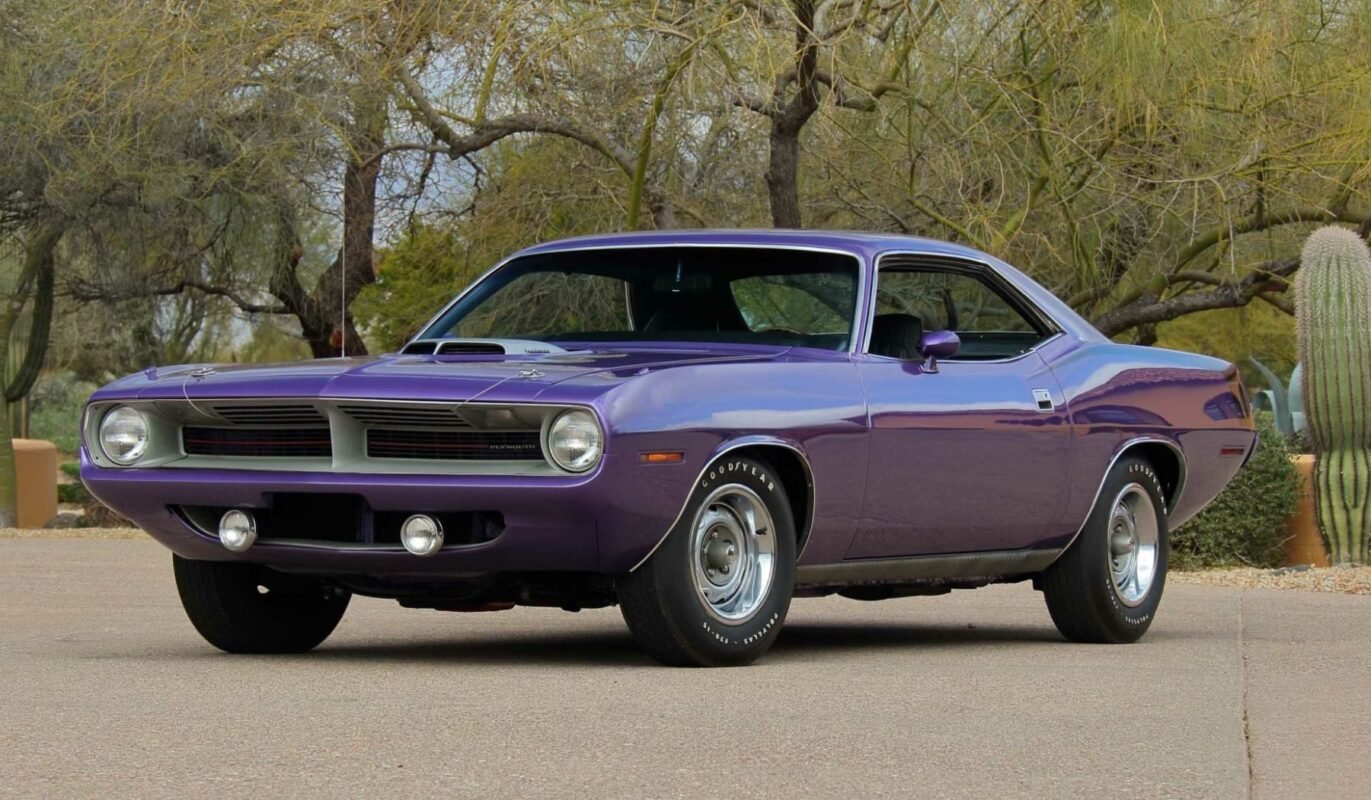
A-body, B-body, and E-body Mopar platforms are the most natural and most commonly performed Hellcat swap applications. The Gen III HEMI block dimensions are broadly compatible with older Mopar engine bay proportions, and the performance community has developed a mature set of solutions for these platforms.
Common applications include first and second generation Dodge Chargers, Plymouth Barracuda and Cuda, Dodge Challenger A-body and B-body, Plymouth Road Runner, Dodge Coronet, and Dodge Dart.
For these applications, aftermarket motor mount kits are available from several suppliers. Oil pan selection requires attention to ground clearance and frame rail clearance depending on the specific chassis. The swap community has documented these builds extensively, which makes finding precedent for your specific platform relatively straightforward.
Fox Body and Early SN95 Ford Mustang
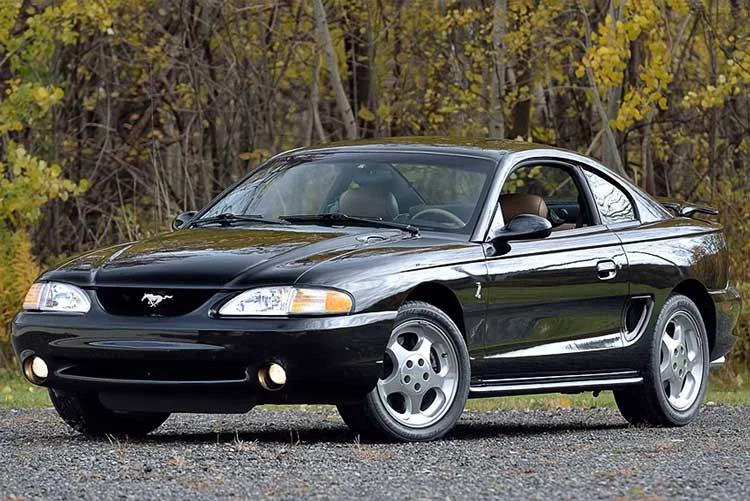
Hellcat swaps into Fox Body Mustangs and early SN95 platforms represent a less common but well-documented application. These swaps require more fabrication than Mopar platform builds due to the Gen III HEMI’s dimensional differences from the Ford Windsor and Modular engines the chassis was designed around.
Bellhousing adapters to common Ford manual and automatic transmissions exist but require research to confirm compatibility for your specific transmission choice. Oil pan clearance for the Ford K-member geometry requires a swap-specific pan solution. The Hellcat’s dual cooling circuits additionally require more radiator and heat exchanger planning in a Fox Body engine bay than a single-circuit engine would.
Custom Tube Chassis and Track Builds
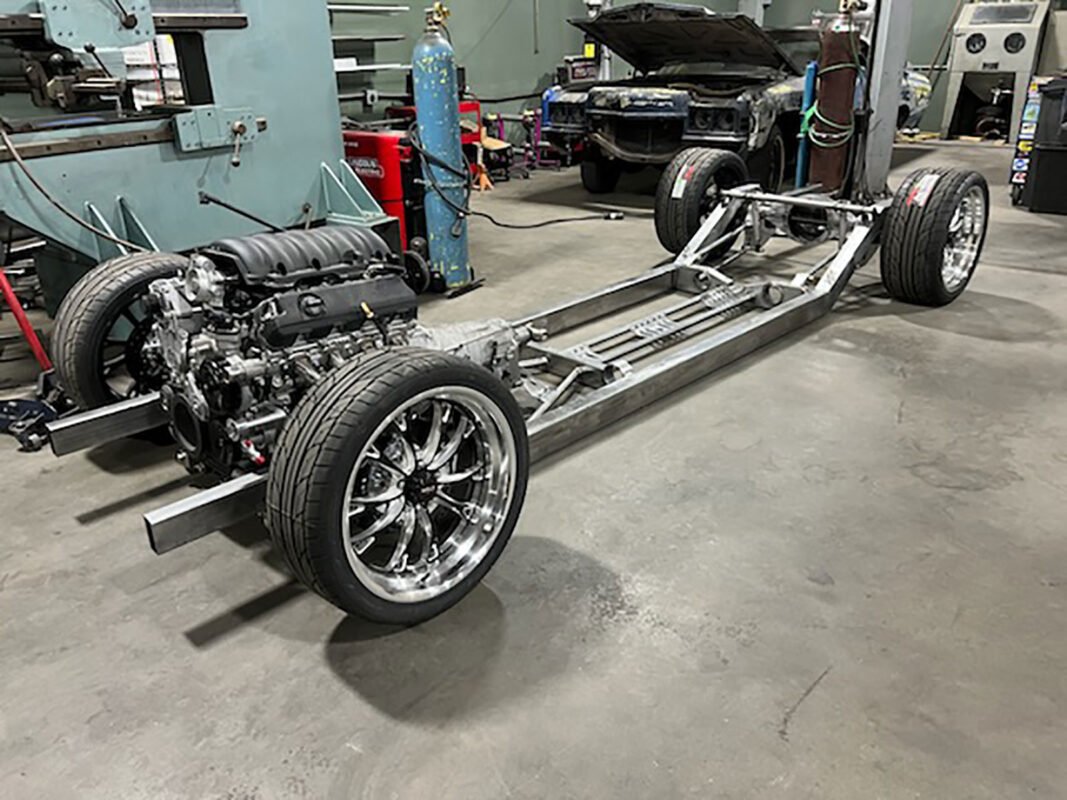
Custom tube chassis, kit cars, and dedicated track builds represent the most flexible application category for the Hellcat swap. When the chassis is built around the engine rather than the engine adapted to an existing chassis, the mount geometry, oil pan clearance, cooling circuit routing, and exhaust routing can all be planned from scratch.
These builds typically use standalone engine management rather than attempting to adapt the factory PCM, which simplifies the electronics planning considerably. The Hellcat’s compact dimensions relative to its output make it an attractive option for builders optimizing power-to-weight in a custom chassis.
Non-Traditional Applications
Hellcat engines have found their way into boats, sprint cars, sand cars, and other non-automotive applications through the performance community. These applications require significant engineering for cooling system integration, mounting, exhaust, and fuel system design, but the factory engineering behind the engine’s forced induction system makes it a robust starting point for high-output non-automotive builds.
What You Need Before the Engine Arrives
Planning the supporting systems before the engine arrives is the single most important factor in a successful Hellcat swap. The following components and decisions need to be in place or at least planned before installation begins.
Motor Mounts
Factory Hellcat motor mounts work only in factory Challenger and Charger applications. For any other chassis, aftermarket or fabricated motor mounts are required.
For classic Mopar platforms, several aftermarket suppliers produce bolt-in motor mount kits that locate the Gen III HEMI at a compatible position within the engine bay. These kits typically include frame brackets that bolt to existing frame holes and engine brackets that attach to the block. Research the specific kit for your platform carefully before purchasing to confirm the mounting position works with your accessory drive and steering clearances.
For non-Mopar applications, custom motor mount fabrication is typically required. A fabricator experienced with Hellcat swaps can locate the engine correctly and build mounts that position the engine optimally for accessory drive clearance, exhaust routing, and steering component clearance.
The engine position affects every other component in the swap. Confirm motor mount placement before planning oil pan selection, exhaust manifold routing, and accessory drive layout.
Oil Pan
The factory Hellcat oil pan suits the factory Challenger and Charger chassis. In most swap applications, the factory pan does not clear the target chassis’s frame rails, crossmember, or steering components.
A swap-specific oil pan positions the oil pickup correctly for the Gen III HEMI’s oiling system while clearing the chassis obstructions of the target vehicle. Several aftermarket suppliers produce Hellcat swap oil pans for the most common applications including classic A-body, B-body, and E-body Mopar platforms.
Confirm oil pan selection before finalizing motor mount positioning. The oil pan’s sump location and depth affect ground clearance and crossmember routing. Order the correct pan for your specific application before the engine arrives so installation is not delayed.
Transmission and Bellhousing
The Hellcat uses a Gen III HEMI-specific bellhousing bolt pattern. Factory pairings include the TorqueFlite 8HP90 eight-speed automatic and the Tremec TR-6060 six-speed manual. For swap applications using different transmissions, a bellhousing adapter is required.
Common transmission choices for Hellcat swap builds include the Tremec T56 six-speed manual, the TorqueFlite 727 and 904 automatics in classic Mopar builds, the GM TH400 in non-Mopar applications using appropriate bellhousing adapters, and the Tremec TKX five-speed manual.
Confirm the following before ordering your transmission solution:
- Bellhousing adapter availability for your specific engine-to-transmission combination
- Input shaft length compatibility between the adapter and the transmission input shaft
- Clutch disc spline count for manual transmission applications
- Flexplate or flywheel diameter and bolt pattern for your transmission
The transmission choice determines the driveshaft length, tunnel clearance requirements, and shifter position, so it is one of the earliest decisions to lock in before the rest of the build takes shape.
ECU and Engine Management
The factory Hellcat PCM is VIN-locked to the original donor vehicle. This is one of the most important planning points for any Hellcat swap.
For a direct replacement in the original Challenger or Charger, the existing PCM is typically retained and flashed to recognize the replacement engine. This is a straightforward process for a certified Chrysler technician or a shop with access to factory diagnostics.
For a swap into a different vehicle, three main ECU options exist.
Standalone engine management system. A standalone ECU from a supplier like Holley, AEM, or similar manufactures is the most common choice for non-factory chassis swap applications. Standalone systems provide full control over fuel, ignition, and boost management without requiring factory PCM VIN matching. Several suppliers produce plug-and-play harness solutions specifically for the Hellcat platform that simplify the wiring considerably.
Factory PCM from the same donor vehicle. If the complete donor vehicle is available, pairing the factory PCM with the engine can simplify the electronics in applications where the factory transmission electronics are also carried over. This approach requires anti-theft bypass solutions for the factory security system.
Aftermarket PCM reflash solutions. Several aftermarket tuning companies offer solutions that allow the factory Hellcat PCM to operate in non-factory chassis applications with appropriate modifications. This is a more complex path than standalone engine management for most swap builders.
Fuel System
The Hellcat runs a high-pressure returnless fuel system. Planning the fuel system correctly is critical and frequently underestimated in Hellcat swap builds.
The factory high-pressure fuel pump is a cam-driven mechanical unit that is part of the engine assembly. This pump requires a compatible low-pressure lift pump and fuel supply system to function correctly.
For swap applications, confirm the following fuel system components:
- A compatible high-pressure compatible fuel tank and pump setup
- Fuel line sizing adequate for the Hellcat’s fuel demand at full output
- A fuel pressure regulator if your application requires one
- Fuel injector compatibility with your ECU solution
The Hellcat requires premium fuel at a minimum of 91 octane. Plan your fuel supply with premium-rated tank, pump, and line components rather than components sized for a naturally aspirated street engine.
Cooling System: Main Circuit
The main engine cooling circuit on the Hellcat operates similarly to a standard high-performance engine cooling circuit but at a heat rejection level appropriate for a supercharged 700-plus horsepower V8.
A quality aluminum radiator properly sized for the Hellcat’s heat rejection capacity is the foundation of the main cooling circuit. The radiator must have adequate capacity for the engine’s thermal output under sustained load. An undersized radiator will produce overheating under hard driving even if it handles highway cruise temperatures adequately.
Plan the coolant hose routing, thermostat housing location, and coolant recovery tank position as part of the chassis layout before installation. The Hellcat’s cooling system connections are in positions that may or may not clear existing chassis components depending on the target vehicle.
Cooling System: Supercharger Intercooler Circuit
The Hellcat runs a separate cooling circuit for the supercharger intercooler that is entirely independent from the main engine cooling circuit. This is the cooling system component that most builders underestimate in Hellcat swap planning.
The intercooler cooling circuit consists of an intercooler heat exchanger mounted in the front of the vehicle, a dedicated intercooler coolant pump, a small intercooler coolant reservoir, and the coolant lines connecting these components to the supercharger’s internal intercooler.
This circuit must be fully functional before the engine runs under load. Without the intercooler circuit, intake air temperature climbs rapidly under boost, increasing detonation risk significantly at the factory calibration.
The heat exchanger requires mounting in the front of the vehicle where it receives airflow. In most swap applications, this means mounting a separate intercooler heat exchanger ahead of or alongside the main radiator. Confirm that your front end has space for both the main radiator and the intercooler heat exchanger before committing to your front-end layout.
Exhaust
The Hellcat uses a factory exhaust manifold configuration specific to the Challenger and Charger chassis. In most swap applications, aftermarket headers or fabricated exhaust manifolds are required.
Header selection depends on the target chassis, the motor mount position, the steering components, and the chassis floor and firewall clearances. Several aftermarket suppliers produce headers for the most common Hellcat swap applications on classic Mopar platforms.
For non-Mopar and custom chassis applications, custom exhaust manifold fabrication is typically required. Plan exhaust routing as part of the engine positioning decision so the motor mounts and exhaust routing can be designed together rather than having the exhaust forced around a mounting position that does not allow clean routing.
Accessory Drive
The factory Hellcat accessory drive configuration suits the factory Challenger and Charger engine bay. In swap applications, the alternator, power steering pump, air conditioning compressor, and their bracket configurations may interfere with chassis components or may not be needed for the specific application.
Most serious Hellcat swap builders run a custom accessory drive that includes only the components needed for the specific application, positioned to clear the chassis of the target vehicle. A quality electric power steering solution eliminates the need for the factory hydraulic power steering pump in many swap builds. Electric fans eliminate the mechanical fan and associated clearance requirements.
Plan the accessory drive layout as part of the engine positioning decision rather than after the engine is installed.
What the Hellcat Swap Costs: A Component-Level Budget
The engine purchase is one line item in the total Hellcat swap budget. Understanding the full component picture helps you plan a realistic project budget before you start.
Below is a component-level budget framework. These are approximate ranges for reference only. Actual costs vary significantly based on your specific application, the supplier you use, whether you do fabrication yourself or pay a shop, and your geographic location. Use these as planning estimates rather than quotes.
| Swap Component | Budget Range Notes |
|---|---|
| Engine, verified low mileage complete | Engine purchase cost, example $8,000 at McClain Auto Part |
| Motor mounts, aftermarket kit | Varies by platform, bolt-in kits cost less than custom fabrication |
| Oil pan, swap specific | Varies by application |
| Transmission | Varies widely based on new, used, or rebuilt |
| Bellhousing adapter if required | Varies by engine-to-transmission combination |
| Clutch if manual | Varies by clamp load and disc specification |
| ECU standalone system | Varies by supplier and included harness components |
| Wiring harness swap specific | Varies by supplier and application |
| Fuel system upgrades | Varies by existing fuel system condition |
| Main radiator | Varies by size and material |
| Intercooler heat exchanger | Varies by size and supplier |
| Intercooler pump and reservoir | Varies by application |
| Coolant lines and fittings | Varies by application |
| Exhaust headers or manifolds | Varies by platform and whether off-the-shelf or custom |
| Accessory drive components | Varies based on what you retain versus replace |
| Miscellaneous hardware and fluids | Always add a miscellaneous line to any project budget |
| Labor if using a shop | Varies significantly by shop and geographic location |
| Tune | Required after installation, varies by ECU solution |
The total project cost varies enormously based on the target vehicle, how much work you do yourself, and what condition your existing components are in. A classic Mopar platform with a capable shop doing the work is a different budget from a custom chassis build done in a home shop.
Tips for a Successful Hellcat Swap
These are the practical lessons that experienced Hellcat swap builders consistently pass on to builders approaching this engine for the first time.
Plan the intercooler circuit first. Most swap builders plan the main cooling circuit and forget the intercooler circuit until late in the build. The intercooler heat exchanger needs to live somewhere at the front of the vehicle. Planning its location early prevents having to reroute other components later.
Choose your ECU solution before ordering the engine. The ECU solution determines what wiring harness you need, what tuning process you will use, and what sensors need to be present on the engine. Making this decision after the engine arrives creates delays.
Confirm the oil pan before finalizing motor mount position. The motor mount position affects oil pan clearance. These two decisions work together and should be made together.
Buy the correct fuel system components before the engine arrives. Running the Hellcat with an undersized fuel system at full output is damaging. Source the fuel pump, lines, and tank components rated for the Hellcat’s demand before installation day.
Do a complete dry fit before final installation. Before fully committing any component, confirm that all clearances work with the engine in position. Steering shaft clearance, exhaust routing clearance, hood clearance, and firewall clearance all need to be confirmed with the engine in the bay before final installation.
Budget for a professional tune. The Hellcat’s supercharged engine management system is not something to leave untuned after a swap installation. Budget for a professional tune from a shop experienced with the Hellcat platform as part of the project cost from the beginning.
Rod bearing replacement at installation. Many experienced Hellcat builders replace rod bearings during installation as a precautionary measure regardless of the engine’s mileage. This is a straightforward procedure on the bench before installation and eliminates one of the platform’s documented wear risk factors.
Hellcat Swap FAQ
Is a Hellcat engine hard to swap?
It is more complex than an LS swap but less complex than many builders expect if the supporting systems are planned in advance. The dual cooling circuits, VIN-locked PCM, and high-pressure fuel system require specific planning, but mature solutions exist for all of these on the most common Hellcat swap platforms.
What vehicles can you put a Hellcat engine in?
The most common applications are classic A-body, B-body, and E-body Mopar platforms. Fox Body and early SN95 Mustangs are a less common but documented application. Custom tube chassis builds represent the most flexible option. Any rear-wheel drive vehicle with adequate engine bay dimensions and appropriate chassis clearances is a potential Hellcat swap candidate.
Do you need a special transmission for a Hellcat swap?
You need a transmission that is compatible with the Gen III HEMI bellhousing bolt pattern or a bellhousing adapter. Factory pairings are the TorqueFlite 8HP90 eight-speed automatic and the Tremec TR-6060 six-speed manual. For other transmissions, bellhousing adapters exist for the most common swap combinations.
Do you need a standalone ECU for a Hellcat swap?
For most non-factory chassis swap applications, yes. A standalone engine management system from a supplier like Holley or AEM is the most common and most straightforward ECU solution for Hellcat swaps into non-factory chassis.
How do you handle the supercharger intercooler in a Hellcat swap?
The intercooler heat exchanger mounts at the front of the vehicle in a position that receives airflow. A dedicated intercooler coolant pump and reservoir complete the separate intercooler cooling circuit. This circuit must be fully functional before the engine runs under load.
Is the Hellcat a good swap engine?
For builders who want factory-engineered forced induction at over 700 horsepower, it is one of the most compelling options in the American performance market. The factory engineering behind the supercharger system, fuel delivery, and intercooling means you are starting with a validated high-output package rather than piecing one together from individual components.
How much does a Hellcat engine swap cost?
The total cost depends on the target vehicle, the components required, whether you do the work yourself or pay a shop, and your geographic location. The engine is one component of a larger budget that also includes motor mounts, oil pan, transmission, ECU, fuel system, cooling system, exhaust, and labor.
Where can I buy a used Hellcat engine for a swap?
At McClain Auto Part, verified low-mileage complete Hellcat engines are available at $8,000. Call us at +1(216) 230-5433 or email sales@mcclainautopart.com with your application details and we confirm compatibility, current availability, and included components before you commit.
Summary
A Hellcat engine swap is a serious project that rewards planning and punishes assumptions. The engine itself is one of the most capable and cost-effective routes to factory-engineered supercharged V8 performance in the swap market. The work is in the supporting systems.
Plan the intercooler circuit, ECU solution, fuel system, motor mounts, oil pan, and transmission before the engine arrives. Buy a complete engine from a seller who provides mileage documentation, inspection records, and a warranty. Budget realistically for all the supporting components rather than the engine purchase alone.
If you are planning a Hellcat swap and want to discuss the engine options, available configurations, and what comes with the specific units in current inventory, contact McClain Auto Part at +1(216) 230-5433 or email sales@mcclainautopart.com. Provide your application details and we give you a straight answer on compatibility and availability before you commit to anything.
