Uncategorized
The Best RAM Running Boards
Running boards remain one of the most consistently requested RAM truck accessories for a straightforward reason. Full-size RAM trucks sit high off the ground and that step height becomes a real daily usability issue for shorter drivers, children, older passengers, and anyone loading cargo into the rear seat of a Crew Cab regularly. Add an aftermarket lift or a set of taller tires and the problem compounds. The right running boards solve it cleanly without affecting the truck’s capability or appearance in any meaningful way.
The challenge is that RAM truck running boards are not one-size-fits-all. Generation differences, cab configurations, trim levels, and platform-specific requirements all affect which running board fits correctly on a specific truck. Ordering the wrong configuration results in mounting problems, gap issues, and return shipping that could have been avoided with proper fitment research upfront.
This article covers the most relevant running board options across the major RAM platforms to help owners understand what fits, what to look for, and what to verify before purchasing.
2019–2026 RAM 1500 Running Boards
The current generation RAM 1500 DT platform launched for the 2019 model year and represents a significant step forward in interior refinement, technology integration, and overall truck architecture compared to the previous DS generation. The running board mounting provisions on the DT platform differ from the DS generation in bracket positioning and body integration points. This means a running board designed for a 2013 through 2018 Ram 1500 does not mount correctly on a 2019 or newer truck without modification.
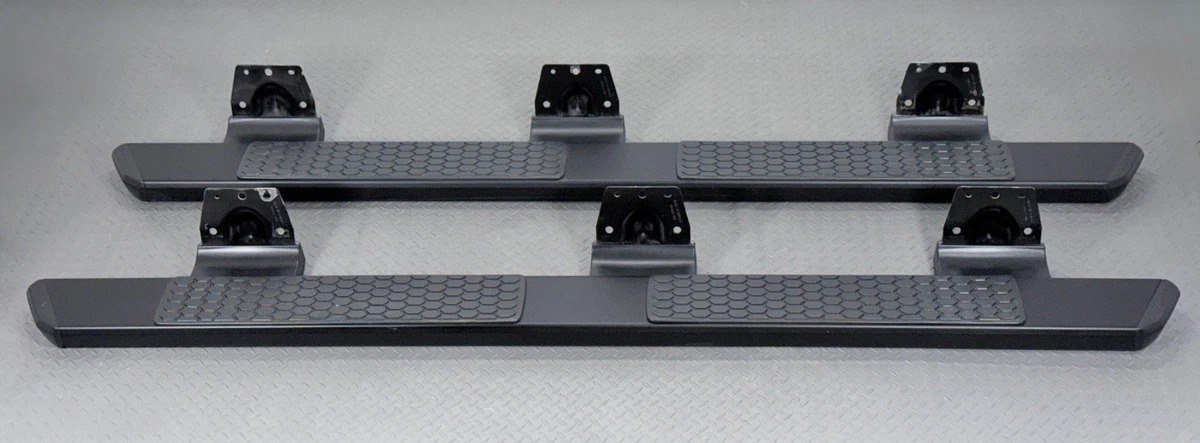
OEM running board options on the 19-26 RAM 1500 cover fixed side steps and power-deploying configurations depending on the trim level and option package of the specific truck. The factory running board finish and step surface texture are specific to the DT generation and coordinate with the body character lines of this truck in a way that previous-generation or mismatched aftermarket alternatives do not.
Crew Cab and Quad Cab running boards for this generation use different lengths because the door sill dimensions differ between the two cab styles. This is the most common ordering mistake on this platform. Confirm Crew Cab or Quad Cab before ordering every time. The wrong cab configuration results in a running board that either falls short of the rear door opening or extends too far beyond it.
For daily drivers and family trucks, OEM Ram 1500 running boards sourced from verified 2019 and newer donor trucks provide the most accurate factory fitment available. Buyers replacing damaged or missing factory steps on this generation should confirm the model year, cab configuration, and whether the original truck was equipped with power or fixed running boards before ordering.
2013–2022 RAM 1500 Running Boards
The DS generation RAM 1500 covers a nine-year production run from 2009 through 2018, with the model years from 2013 through 2018 representing the post-refresh front-end and interior update that most buyers in this generation search for running board replacements within.
The 2013-2022 RAM 1500 running board market reflects the significant sales volume of this generation. More trucks on the road means more replacement demand and more donor vehicle availability than the current DT generation at this point in time. OEM running boards for this generation are available across multiple trim configurations including Sport, Laramie, Big Horn, and Rebel styles with the step surface designs and mounting hardware specific to each.
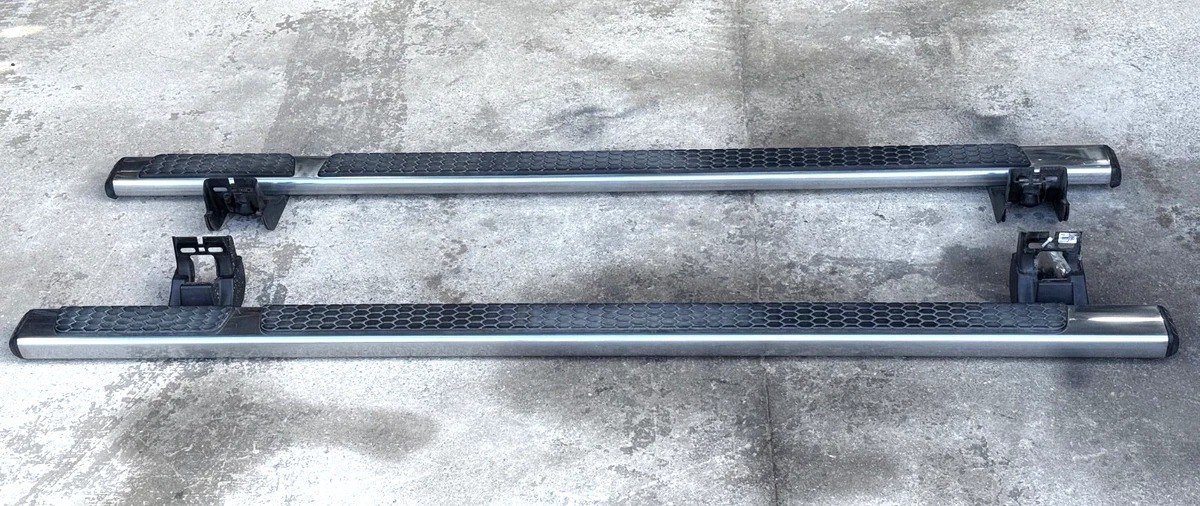
One fitment consideration specific to this generation is the refresh change at the 2013 model year. Pre-2013 DS trucks use a slightly different front body mounting geometry that affects how running board brackets align with the body structure. Buyers working on 2013 through 2018 trucks should confirm the post-refresh configuration and avoid mixing pre-2013 components.
The Ram side steps on this generation came in both fixed and power-deploying configurations on higher trim levels. The power running board system on DS-generation trucks uses a motor and deployment linkage that is generation-specific. Replacing a failed DS power running board system requires sourcing the correct generation motor and bracket assembly rather than assuming a DT power system will adapt to the older mounting provisions.
Cab configuration rules apply equally to this generation. Crew Cab running boards are longer than Quad Cab versions and the two will not interchange correctly. Confirm your cab style before ordering.
2019 RAM 2500 Running Boards
The 2019 Ram 2500 represents the opening year of the current HD generation and introduced a significantly updated front-end design and interior compared to the previous generation. The running board mounting provisions on the 2019 and newer RAM 2500 are specific to this generation body structure and differ from the previous HD platform.
Heavy-duty trucks benefit from running boards in ways that go beyond what light-duty truck owners typically consider. Work trucks accumulate significant daily foot traffic on the cab entry points. Step surfaces that handle sustained use, weather exposure, and work site conditions hold up better than decorative running boards designed for appearance rather than function. OEM Ram 2500 running boards sourced from verified donor trucks provide factory step surface durability and bracket strength specific to the HD platform.
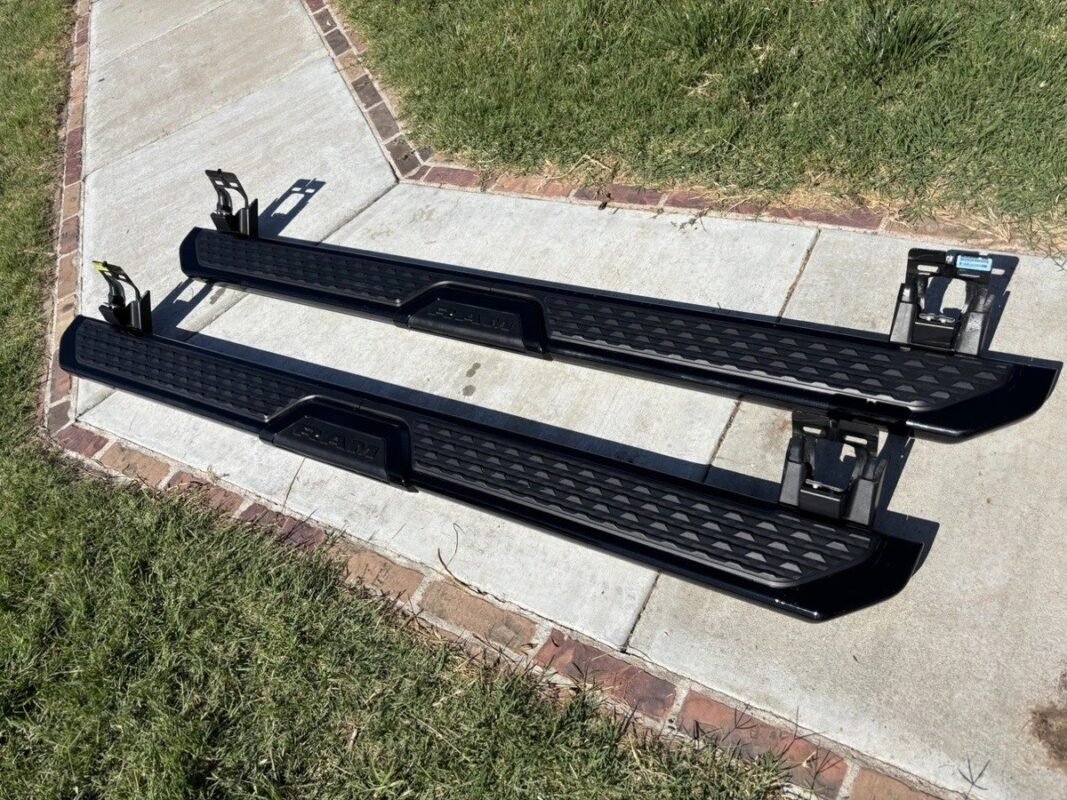
Crew Cab Ram 2500 running boards are the most commonly requested configuration because the Crew Cab is the most common cab style on commercial and work HD trucks. The running board length for the Crew Cab HD application is specific to this cab and body combination.
For towing applications, the running board bracket design needs to accommodate the truck’s loaded stance. HD trucks loaded to GVWR sit differently than they do empty and the running board position at full load is worth considering when selecting a replacement configuration.
2022 RAM 1500 TRX Running Boards
The RAM 1500 TRX presents a specific running board situation that differs from every other RAM 1500 configuration. The TRX rides on a lifted suspension with larger tires from the factory. The resulting step height from ground to cab floor is substantially higher than a standard RAM 1500 on the same cab configuration. Running boards on a TRX need to accommodate this increased ride height to be practically useful rather than decorative.
OEM TRX running boards are designed around the TRX’s specific ground clearance and body height. They mount at positions specific to the TRX body structure and cannot be substituted with standard RAM 1500 running boards without losing the intended step height benefit. The 2022 RAM 1500 TRX running boards in OEM configuration reflect the factory understanding of what a TRX owner needs from a side step rather than an approximation from a standard truck application.
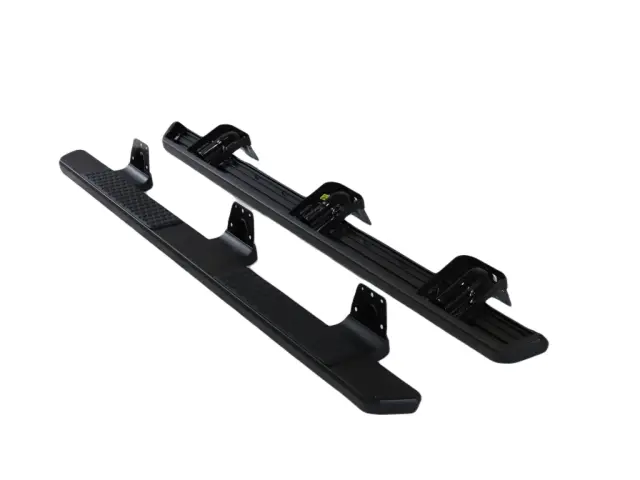
TRX side steps also need to handle the off-road use the platform is built for. Trail contact, mud exposure, and debris impact are real conditions for TRX running boards in a way they are not for a family daily driver. OEM TRX running boards reflect factory engineering for this platform’s specific use conditions.
Running boards on a TRX also affect the visual balance of the truck. The TRX body height means that a running board at the wrong position looks out of place regardless of the quality of the component itself. Factory TRX running boards mount at the correct position for the platform and maintain the visual proportions Dodge engineered into the truck.
2024 RAM 1500 TRX Running Boards
The 2024 RAM 1500 TRX represents one of the final model years of the current TRX generation before RAM’s platform transition. Running board fitment considerations for the 2024 TRX are consistent with the 2021 through 2024 production window. The TRX body structure, mounting provisions, and ride height specifications remained consistent across this production run.
Buyers sourcing 2024 RAM 1500 TRX running boards should confirm the specific model year of the donor running board against their truck. While TRX running board fitment is consistent across the 2021 through 2024 range, confirming the donor year prevents potential variation in mounting hardware or bracket specification that can occur late in a model generation.
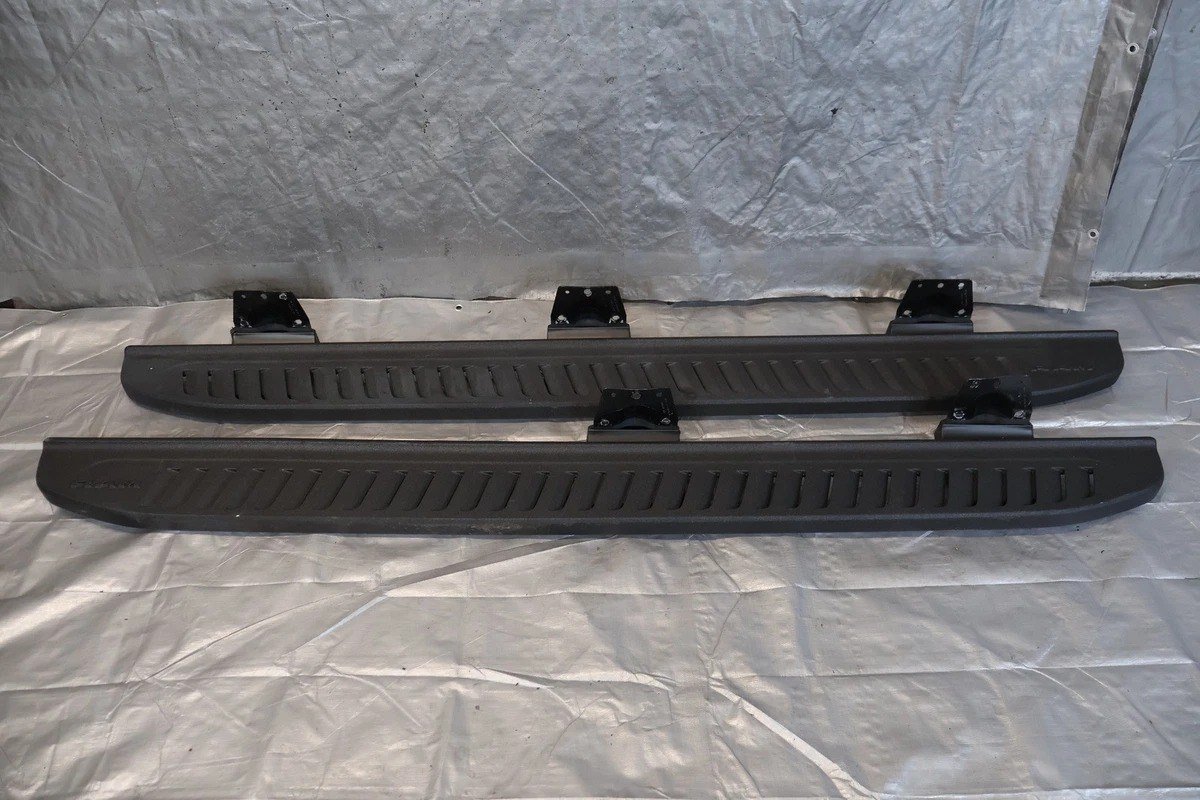
Factory TRX side steps from 2024 donor vehicles represent the newest production examples of this running board configuration. For TRX owners who want running boards in the best possible condition from the most current production specification, 2024 take-off examples are the appropriate target.
As with all TRX components, availability is limited by the lower production volume of the TRX platform compared to standard RAM 1500 models. When clean 2024 TRX running board sets become available they move quickly.
RAM 1500 Power Running Boards
Power running boards deserve a dedicated discussion because they behave differently from fixed running boards in ways that affect the ownership experience, maintenance considerations, and replacement process.
Factory Ram 1500 power running boards deploy automatically when a door opens and retract under the body when the door closes. The deployment drops the step surface to its lowest position automatically, which on a standard RAM 1500 results in a lower effective step height than a fixed running board mounted at a static position. On a lifted truck the automatic deployment benefit is even more pronounced.
The retracted position of power running boards provides meaningful ground clearance improvement over fixed running boards on trucks used in off-road or rough terrain conditions. When the running board tucks under the body, it is not the lowest point of the truck during off-road articulation. This matters on Rebel, Power Wagon, and other off-road-oriented RAM configurations where fixed running boards would sacrifice clearance.
Maintenance is the honest tradeoff. Ram 1500 power running boards use an electric motor and mechanical linkage that adds complexity beyond a fixed bracket. The mechanism is exposed to road spray, mud, and weather. Failures are not common on well-maintained trucks but they do occur on high-mileage examples and trucks operating in wet or muddy conditions consistently. When the motor or linkage fails, the repair is more involved than replacing a fixed running board bracket.
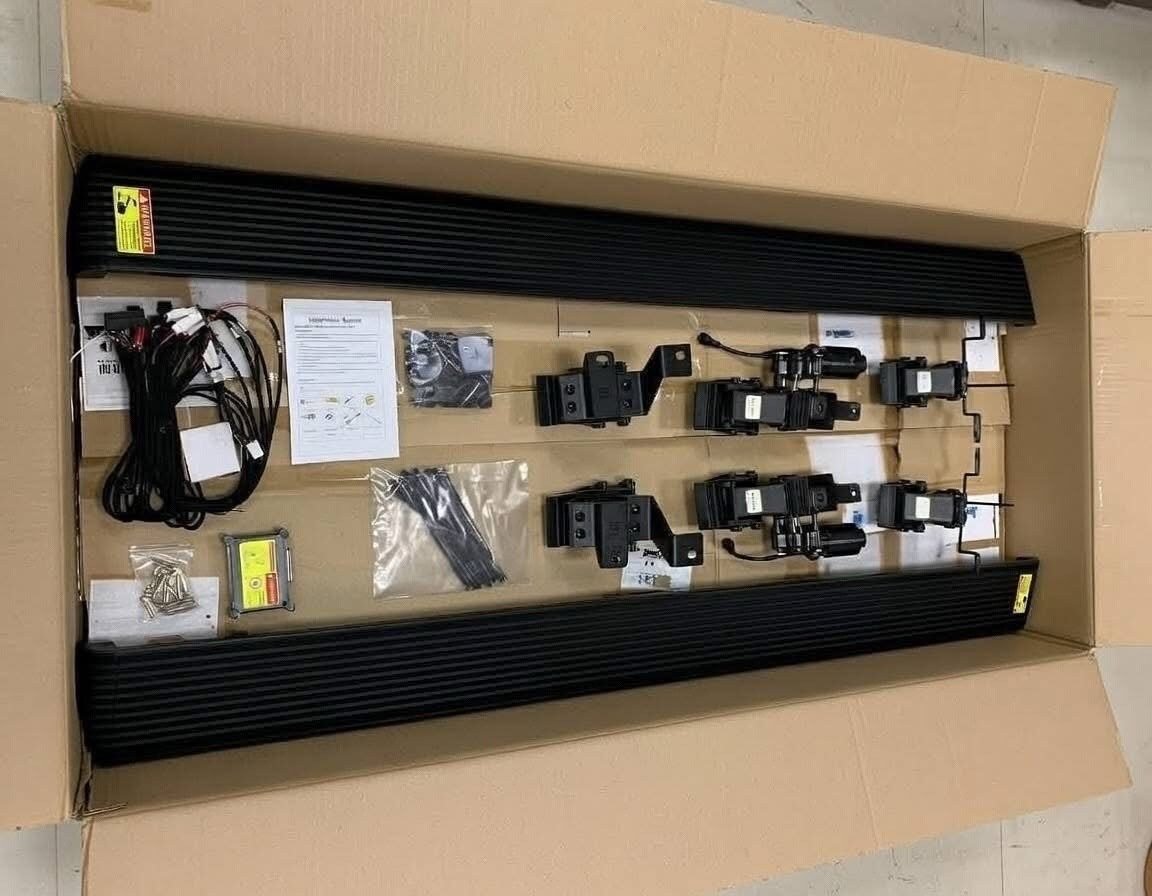
Electric running boards are the right choice for daily drivers, family trucks, and any application where the automatic deployment convenience justifies the additional mechanical complexity. Fixed running boards are the more reliable long-term choice for work trucks and off-road builds that accumulate heavy exposure to conditions that stress the deployment mechanism.
Sourcing replacement OEM power running boards requires matching the generation, cab configuration, and power system specifications of the original installation. The motor, brackets, and linkage are all generation-specific on RAM trucks and cannot be mixed between DS and DT platform components.
Which RAM Running Board Is Right for Your Truck
Choosing between the available running board options comes down to three practical questions.
How is the truck primarily used? Daily drivers and family trucks benefit most from full-width factory running boards with a stable, wide step surface. Work trucks and commercial applications benefit from durable factory steps that handle sustained foot traffic. Off-road builds and lifted trucks benefit from either power-deploying systems that maintain clearance when retracted or shorter side steps that clear trail obstacles.
Does the truck have factory power running boards or fixed steps? If your truck came from the factory with power running boards, replacing with a fixed set requires addressing the body wiring provisions at the mounting location. If the truck came with fixed steps, a factory power system retrofit requires adding the deployment motor and associated wiring. Like-for-like replacement is always the simpler path.
What condition standard matters for your project? OEM running boards from verified donor vehicles provide factory fitment accuracy and finish consistency. For full restoration projects, matching the original equipment specification is the only way to restore the original factory appearance precisely.
Buyer Checklist Before Ordering
Before ordering any RAM truck running boards, confirm the following:
- Model year confirmed
- Generation confirmed
- Cab configuration confirmed, Crew Cab or Quad Cab
- Trim level confirmed
- Power or fixed running board confirmed
- Mounting hardware availability confirmed
- Running board length verified against cab configuration
- OEM compatibility confirmed against donor vehicle year and trim
- Condition photos of bracket and step surface requested if purchasing used OEM parts
Final Thoughts
The best RAM running boards for any specific truck are the ones that fit correctly, match the original configuration, and hold up to how that truck is actually used. Getting there requires confirming model year, generation, cab configuration, and trim level before the order ships rather than after.
Buyers researching RAM Truck Running Boards should compare fitment details carefully across the available options and verify compatibility against their specific truck before purchasing. The difference between a running board that installs cleanly in an hour and one that requires bracket modification comes down almost entirely to whether those verification steps happened before or after the part arrived.
At McClain Auto Part, we source OEM running boards from verified donor vehicles and confirm the configuration before listing. Condition details and photos are available before you commit. Contact our Cleveland team with your year, generation, cab configuration, and trim level and we confirm what fits before anything ships.
McClain Auto Part. Cleveland, Ohio. OEM RAM truck parts shipped nationwide. In business since 2009.
